
Largest Reactor Fleet Owner Backs Shipyard Prefab Model With Gas-To-Nuclear Plan
Constellation Energy already runs the largest nuclear fleet in the United States and has spent the last couple of years signing big power deals with data center operators and retailers to restart reactors and keep existing plants online longer.
With Microsoft taking the restarted Three Mile Island unit and Meta locking up output from Clinton, Constellation is now looking for developers to help them bring new capacity online faster.
Their most recent move is a strategic equity investment in Blue Energy through Constellation Technology Ventures (CTV). This targets Blue Energy’s shipyard-based prefabrication and project financing model for small modular reactors.
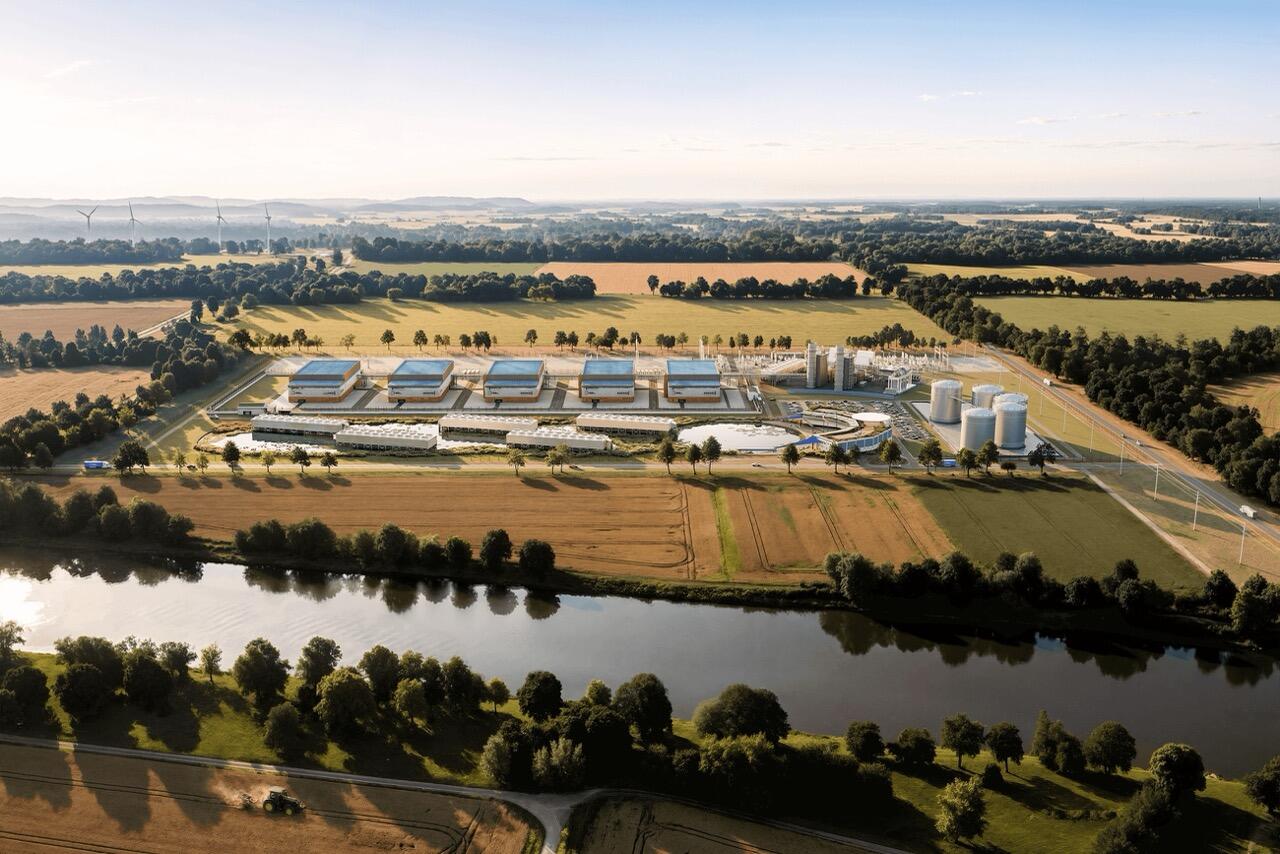
As we reported earlier on the GE Vernova collaboration, Blue Energy is advancing a phased gas-to-nuclear approach at a planned Texas site. Two GE Vernova gas turbines would deliver roughly 1 GW starting around 2030, with the steam supply later shifting to GE Vernova Hitachi BWRX-300 reactors targeting up to 1.5 GW of nuclear capacity. Early site works could begin this year ahead of a final investment decision in 2027.
The CTV check marks the first investment by that unit in an American nuclear developer focused on SMRs. Terms remain undisclosed, but based on CTV’s deal size across prior energy tech investments ($4 million in SWTCH), this one likely lands in the single-digit millions.
The real value sits in the partnership signal rather than the capital itself. Constellation runs 21 reactors across multiple sites with capacity factors above 90%. An operator with that track record lending credibility to a new deployment model carries more weight than another venture check.
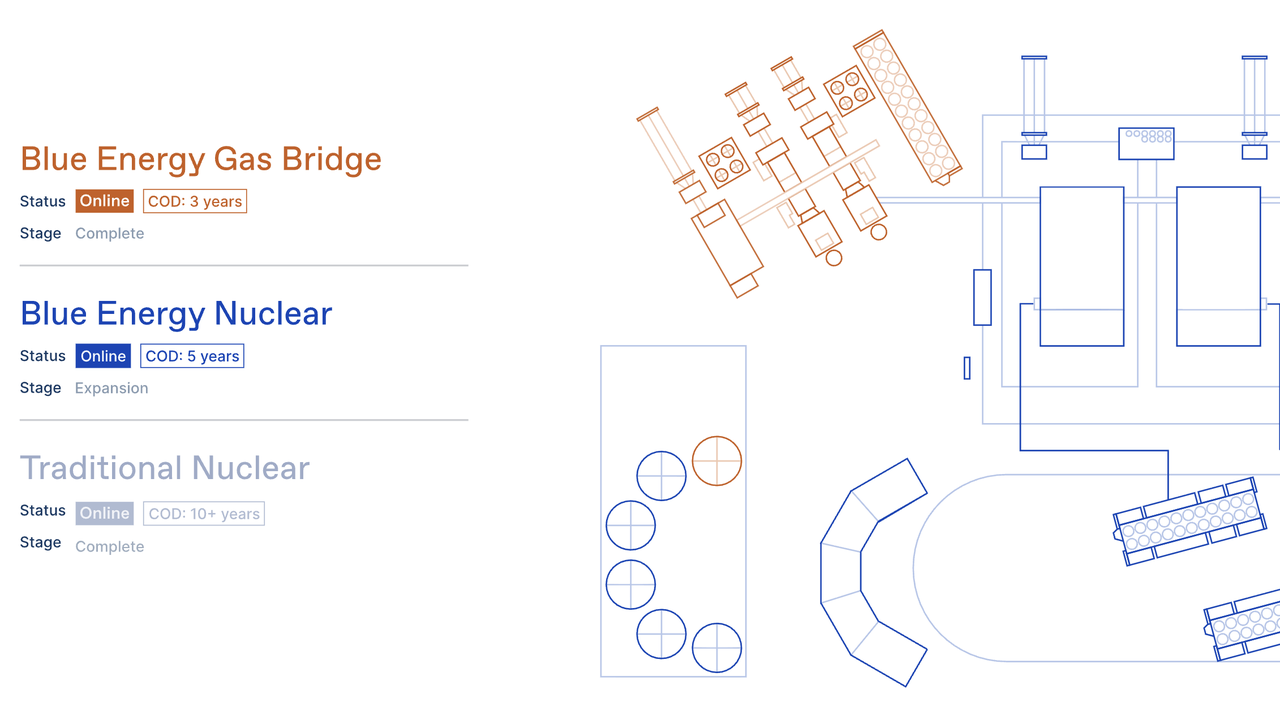
Blue Energy’s approach attacks the construction and financing bottlenecks that have plagued new nuclear for decades. Large modules get fabricated in existing shipyards using robotic methods borrowed from offshore oil, gas, and LNG projects, then barged to site. The design keeps a clean split between the nuclear island supplied by the vendor and the balance-of-plant work done under fixed-price commercial contracts.
That structure, paired with the NRC-approved licensing topical report, is meant to unlock project financing on a meaningful chunk of capex for the first time on a nuclear project.
The goal remains power in 48 months or less via the gas bridge instead of the conventional decade-plus timeline.
Tyler Durden
Mon, 07/20/2026 – 07:45