

US Embassies Sound Alarm As Europe’s Protest Wave Hits France And Belgium
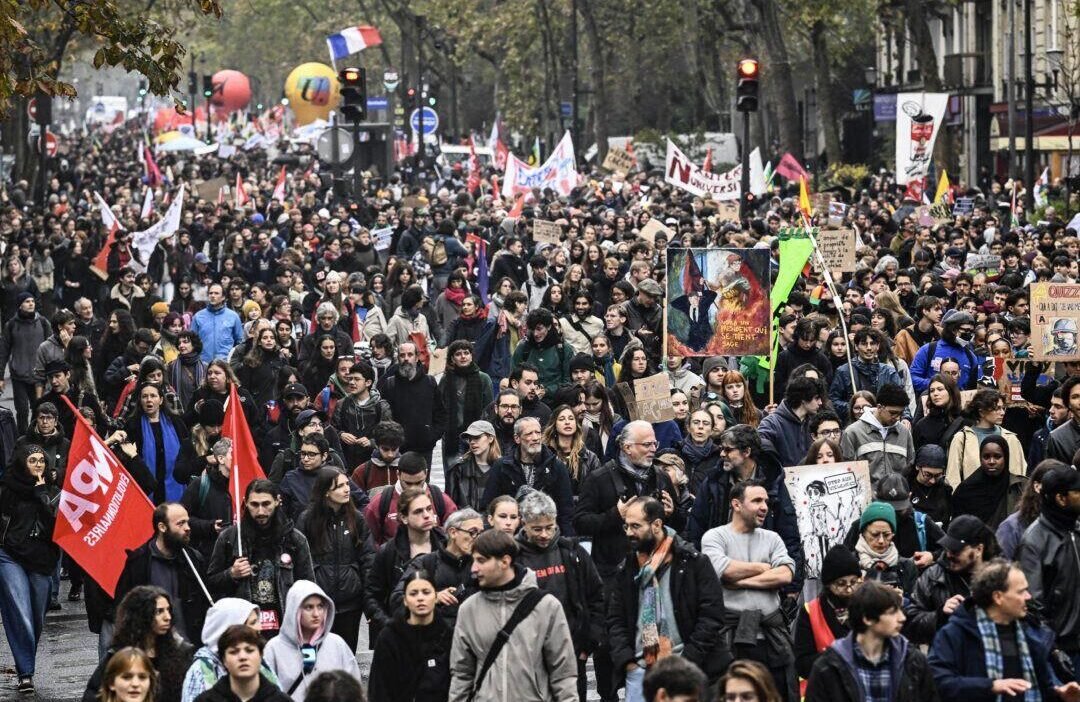
The US embassies in Paris and Brussels have told Americans to avoid demonstrations this weekend and Monday, as France braces for a sixth straight Saturday of nationwide street protests and Belgium’s unions prepare to march right past the US Embassy in Brussels.
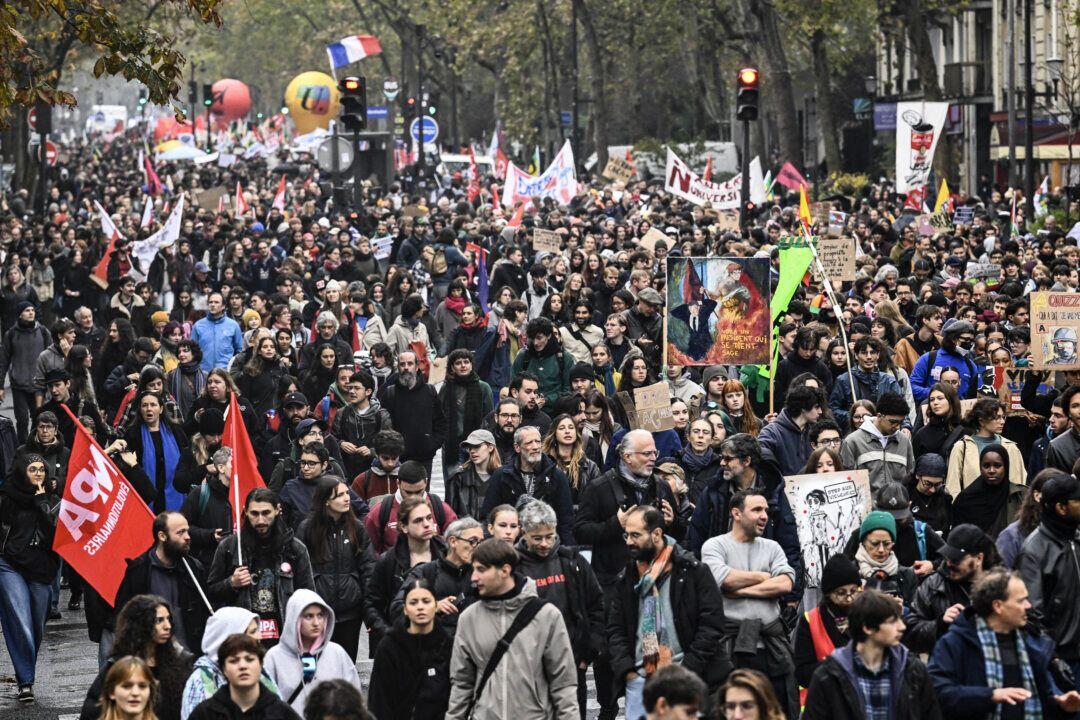
“Multiple groups have planned demonstrations for November 21 and 22,” the US Embassy and Consulates in France said in a Nov. 20 alert, warning that marches can spill outside their planned routes. “Some past demonstrations were violent and involved property destruction and looting. Police responded with less-than-lethal crowd control methods,” the embassy said, while adding that recent demonstrations have largely been peaceful.
France: Protests, demonstrations, and rallies continue across France. Multiple groups have planned demonstrations for November 21 and 22. Protests can occur outside planned routes. Some past demonstrations were violent and involved property destruction and looting. More at… pic.twitter.com/L9hLlRfTwl
— TravelGov (@TravelGov) November 20, 2026
Metro stations can be closed at the last minute, blockades can snarl roads, and Americans caught near a large crowd should move away from it, the embassy said, telling travelers to plan alternate routes, allow extra time and check with rail and metro operators for closures. It is the latest in a string of French alerts this month, after earlier warnings covering marches on Nov. 7, 10 and 14.
Students, Yellow Vest activists and education unions have marched every Saturday since mid-October over the cost of living, school funding and a new police bill. On Nov. 14 the interior ministry counted about 106,000 marchers nationwide, 24,000 of them in Paris, while organizers claimed 200,000, and a union-led strike that week drew more than half a million, Euronews reported. As we noted earlier this month, the economic crunch behind it is fueling youth protests well beyond France.
The police bill is now in the Senate. The text, passed by the National Assembly in July, would presume police and gendarmes acted lawfully when they fire their weapons on duty, which opponents call a “license to kill” (translated). Interior Minister Laurent Nuñez told senators it would simply end the automatic custody of an officer who fires. Left-wing senators talked out the clock on Thursday and filed amendments to block a vote, pushing the debate into Friday with 76 amendments still pending, AFP reported. A petition against the bill has more than 700,000 signatures.
In Brussels, the US Embassy in Belgium said in its own Nov. 20 alert that “the labor union protest and demonstration is expected to take place starting at 10:00 AM near the Brussels-North Station before proceeding toward Brussels-South Station via the Small Ring Road, passing in front of the U.S. Embassy.” The alert also warns of a public transportation strike the same day, and says local police are expected to deploy throughout the event to manage the crowds.
The embassy expects significant traffic and mobility disruptions all day Monday, including road closures and possible metro station closures, and Brussels transit operator STIB/MIVB has warned that the national strike will hit its metro, tram and bus services. The embassy’s American Citizen Services will not provide routine services Monday afternoon, including passports, consular reports of birth abroad and federal benefits such as Social Security.
The march was called in October by Belgium’s three main unions, the socialist FGTB-ABVV, the Christian CSC-ACV and Synova, against the federal government’s austerity measures and falling purchasing power, according to the Brussels Times. After France, Belgium is shaping up as Europe’s next debt flashpoint.
Both countries sit at Level 2, “Exercise increased caution,” in the State Department’s travel advisories. Belgium’s advisory warns that large, generally peaceful demonstrations can disrupt transport and essential services, and France’s Oct. 21 update warns that police may answer protests with tear gas and water cannons.
The alerts land days after US embassies across Europe warned that terrorists “may attack with little or no warning” over the holidays, and flagged strikes, demonstrations and hoax bomb threats against aviation as sources of travel disruption.

