
US Office-To-Apartment Conversions Hit New Record: Report
Authored by Mary Prenon via The Epoch Times,
This year is another record year for the conversion of office buildings into residential apartments in the United States, according to a recent RentCafe report.
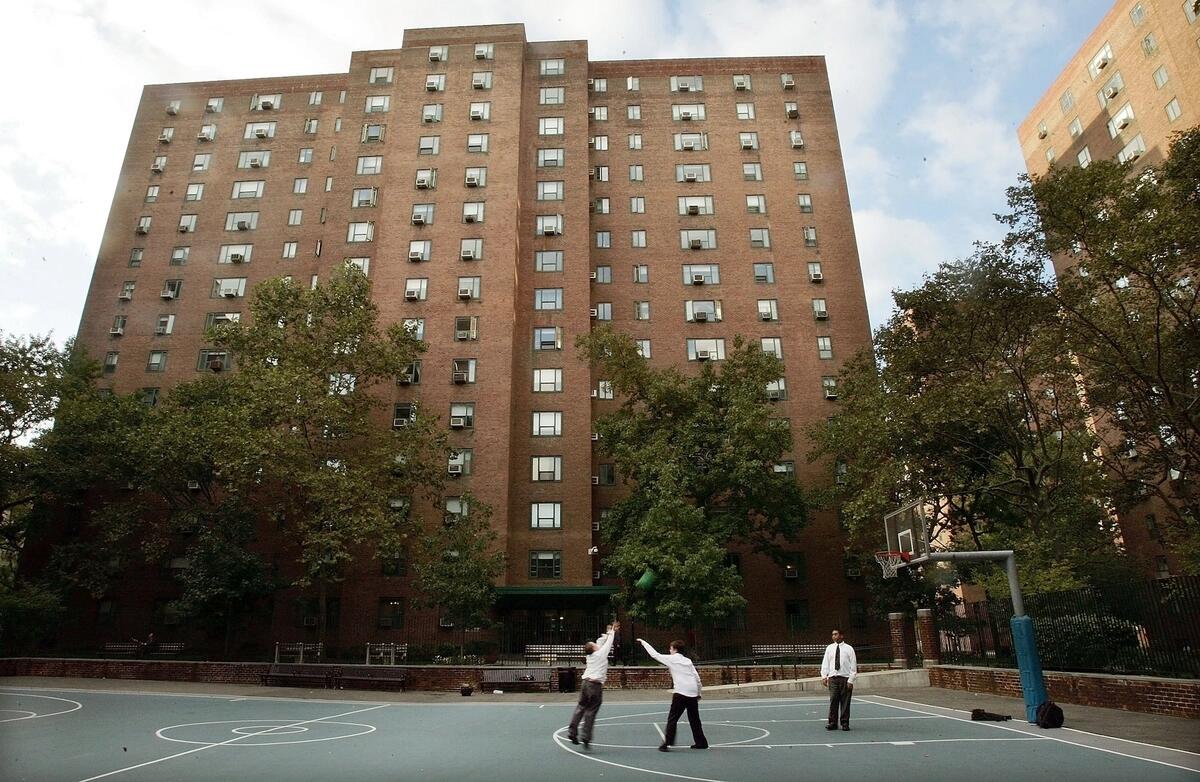
At the beginning of 2026, 90,300 apartments were in the process of conversion across America—a 28 percent increase from 70,600 last year, according to the March 24 report.
At 47 percent, office conversions now comprise almost half of all adaptive reuse projects nationwide, with the New York metro area leading the way with 16,358 conversions in the pipeline. Washington, D.C., placed second with 8,479 conversions and Chicago third, with 4,360.
“The imbalance in the office sector didn’t emerge overnight,” Yardi research director Peter Kolaczynski said in the report.
“COVID-19 is to the office market what eCommerce was to retail. As a result, there is simply too much office space in the market right now.”
Yardi Matrix is a sister company to RentCafe and provides market research and data for the residential and commercial real estate markets.
Office-to-apartment conversions have expanded rapidly since 2022, when just 23,100 units nationwide were created from former commercial buildings. That number nearly doubled to 45,200 conversions in 2024, and rose to 55,300 in 2024.
In early 2025, the report indicated 70,700 conversions were on tap, as the national office vacancy rate was close to 20 percent. Meanwhile, physical occupancy in many buildings remained between only 50 percent and 55 percent, leaving millions of square feet underused.
Doug Ressler, senior analyst with Yardi Matrix, noted that financial pressure and government-backed incentives are also escalating conversions this year. Nearly one-third of U.S. office loans are set to mature in 2027, and many owners are facing pressure to take action on any underperforming properties.
“A massive amount of office building loans—over $213 billion—are coming due by the end of 2026. When loans mature, borrowers need to either pay them off or refinance them,” he said in the report.
“The problem is that many of these office buildings have lost significant value largely due to remote work trends reducing demand.”
Still, these types of conversions often take several years to complete, as the process can be slowed by structural issues, high construction costs, financing needs, or local regulations.
Ressler said nearly 66,500 projects started in 2025 are still moving forward in 2026. When combined with newly proposed projects, the total number is up by 19,600 units year over year.
Nationwide, office buildings account for the largest share of reuse, at 47 percent, followed by hotel conversions at 18 percent, industrial properties at 16 percent, and a mixed bag of properties—including former schools, retail centers, health care facilities, and government buildings, at 19 percent.
Nationally, more than 1.9 billion square feet of office space—24 percent of total inventory—is considered suitable for conversion, according to the conversion feasibility index from CommercialEdge.
“Age matters, but so do footprint and structural layout,” Kolaczynski added.
“ If a building is functionally obsolete as an office but has the right bones, it can be a strong conversion candidate.”
Other key ingredients for conversion consideration are proximity to mass transit and walkability to stores, restaurants, and parks.
Tyler Durden
Mon, 03/30/2026 – 06:30